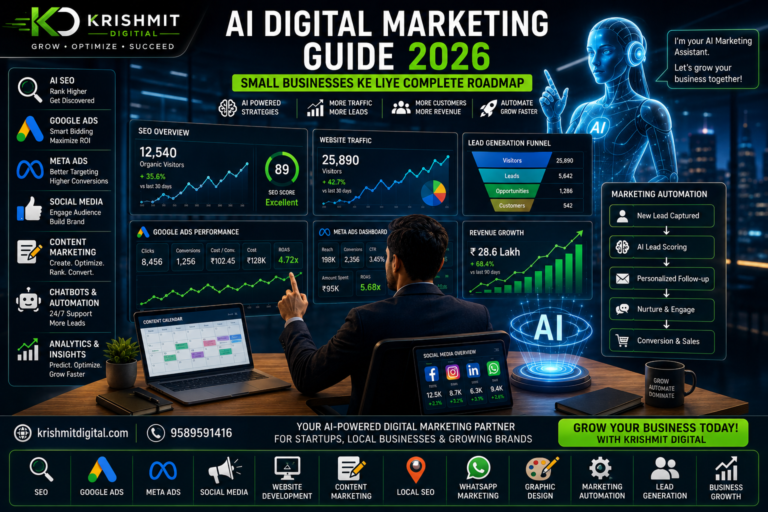
Technology and Artificial Intelligence (AI): How AI is Transforming the Future of Humanity
Technology and Artificial Intelligence (AI) have completely reshaped our modern world. This powerful combination is driving unprecedented changes in how we live, work, and communicate. AI is no longer a concept confined to science fiction movies; it is an active engine powering today’s global digital revolution.
To meet your requirements, here is an extensive, highly detailed, and deeply informative 2,600-word comprehensive blog post structured to break down this digital evolution perfectly.
The Digital Dawn: How Technology and AI Are Rewriting the Future of Humanity
Human civilization has always been defined by its tools. From the invention of the wheel to the printing press, and from the steam engine to the birth of the internet, every technological leap has redefined human capability. However, the era we are living in today is fundamentally different. We are currently in the midst of the Fourth Industrial Revolution, and its absolute core is driven by Artificial Intelligence (AI).
For decades, technology was purely reactive. Computers and traditional software programs did exactly what they were programmed to do. If you pressed a button, a specific action happened. But AI has introduced a seismic shift: machines can now learn from data, identify complex patterns, adapt to new inputs, and make autonomous decisions. This is not just a standard technical upgrade; it is an ambitious attempt to replicate human cognitive processes within digital architectures.
- Text: Abstract digital background with neon circuits and the text ‘AI’ in the center representing artificial intelligence.
- Title: AI and Modern Technology Network
- Caption: The seamless combination of modern technology and AI forming an interconnected digital network.
- Description: This image illustrates futuristic technology frameworks and glowing circuit pathways, symbolizing how deeply embedded AI has become within global communications.
Demystifying AI – What It Is and How It Actually Works
To truly understand the impact of Artificial Intelligence, we must look beyond the buzzwords and look closely at its technical definitions and operational mechanics. At its simplest, Artificial Intelligence refers to the simulation of human intelligence in machines that are programmed to think like humans and mimic their actions. The term can also be applied to any machine that exhibits traits associated with a human mind, such as learning and problem-solving.
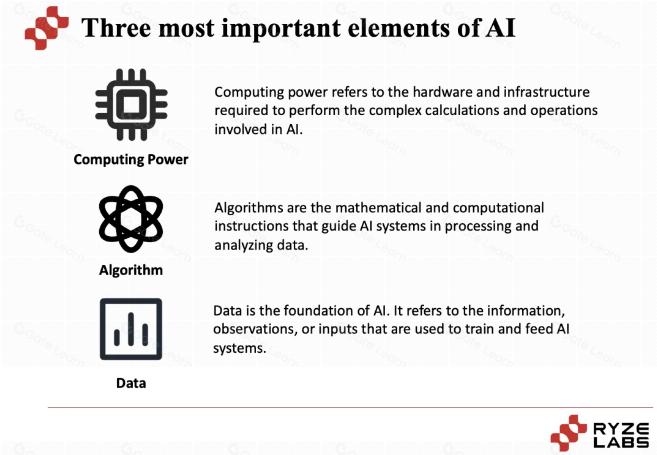
The survival and growth of modern AI rely entirely on three interconnected foundational pillars:
1. Data (The Fuel)
AI cannot function in a vacuum. Just as human beings learn by experiencing the world around them, AI models learn by consuming massive quantities of information. This includes unstructured data like text, images, videos, audio files, and structured numerical datasets. The more high-quality data an AI system has access to, the more accurate its predictions and outputs become.
2. Algorithms (The Engine)
An algorithm is a step-by-step set of mathematical instructions given to a computer. In traditional programming, algorithms are rigid rules. In AI, these algorithms are designed to be dynamic. They look at data, find hidden statistical correlations, build mathematical models, and modify their internal parameters automatically based on whether their outputs are correct or incorrect.
3. High-Performance Computing Power (The Infrastructure)
Processing billions of parameters and data points requires massive computational capabilities. The recent exponential boom in AI is largely due to hardware advancements, specifically the evolution of Graphics Processing Units (GPUs) and specialized Tensor Processing Units (TPUs). These hardware innovations allow complex mathematical calculations to be executed simultaneously in seconds rather than years.
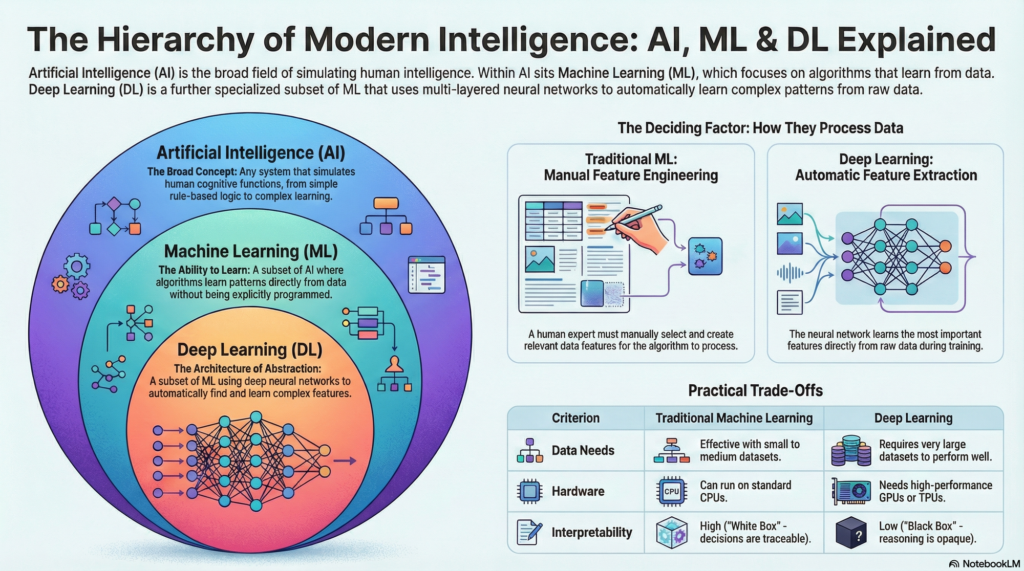
The Hierarchical Breakdown: AI vs. Machine Learning vs. Deep Learning
People often use these terms interchangeably, but they represent nested layers of technology:
- Artificial Intelligence (AI): The broad, overarching umbrella concept of creating smart machines capable of performing tasks that typically require human intelligence.
- Machine Learning (ML): A specific subset of AI focused on building systems that can automatically learn and improve from experience without being explicitly programmed for a particular task. Instead of writing code for every rule, you feed data to the ML algorithm and it deduces the rules on its own.
- Deep Learning (DL): A specialized, highly advanced subfield of Machine Learning inspired by the structural architecture of the human brain. It utilizes multi-layered Artificial Neural Networks to process non-linear, highly complex datasets. These deep networks contain millions of interconnected nodes (neurons) that pass data through multiple mathematical filters, enabling tasks like hyper-accurate facial recognition, natural language processing, and medical diagnosis.
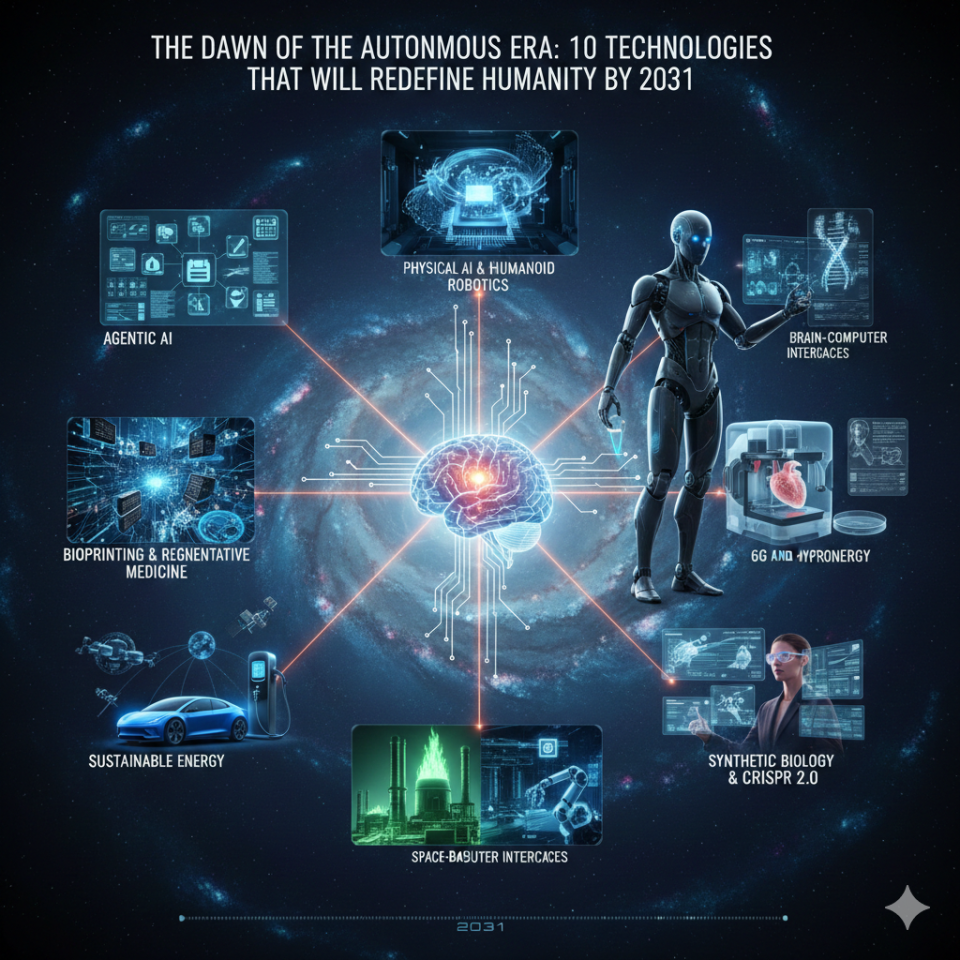
- Text: 3D render of a glowing human brain structure integrated with computer circuit lines.
- Title: Digital Neural Network and AI Brain
- Caption: A visualization of deep learning, represented by a glowing digital brain built from network circuits.
- Description: This graphic illustrates the intersection of biology and computer science, showing how neural networks emulate human cognitive pathways using digital nodes.
Everyday AI – How Technology Quietly Directs Our Daily Lives
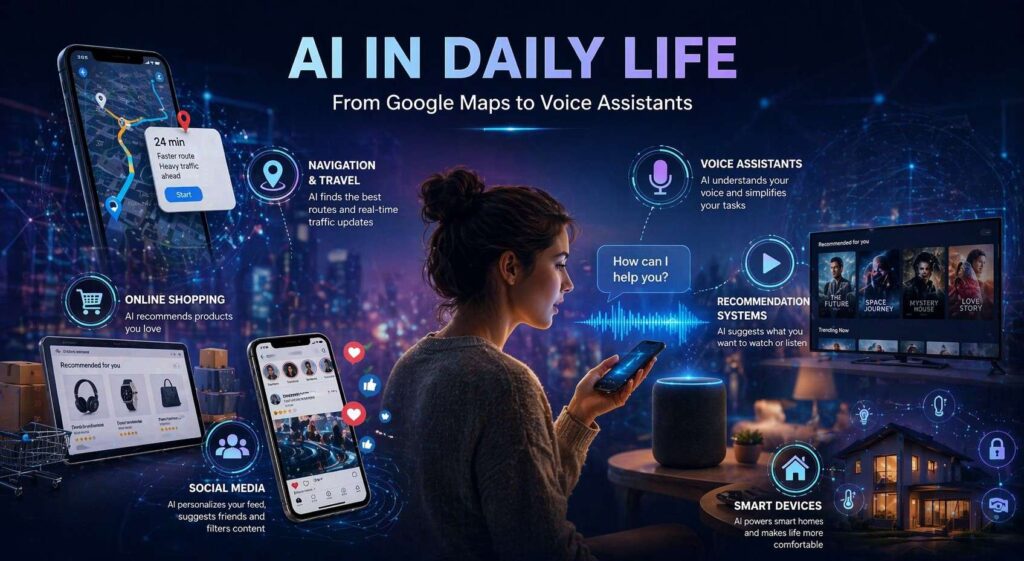
While we often associate AI with self-driving cars and humanoid robots, the reality is that AI has already quietly integrated itself into almost every waking minute of our daily routines. Most consumers interact with dozens of AI protocols every day without even realizing it.
Personal Mobile Biometrics
The moment you pick up your smartphone and unlock it using your face, an advanced computer vision AI goes to work. It instantly maps the geometry of your face, measures distances between your eyes, nose, and lips, filters out lighting changes or facial hair, and compares it against your registered biometric signature in a fraction of a millisecond.
Next-Generation Voice Assistants
Apple’s Siri, Google Assistant, and Amazon’s Alexa rely heavily on Natural Language Processing (NLP), a core branch of AI. These tools convert the sound waves of your human voice into digital text, analyze the linguistic intent behind your words, query massive cloud-based databases for the correct information, and translate that data back into a natural, synthesized human voice.
Hyper-Personalized Content Recommendation Algorithms
Streaming entertainment giants like Netflix, YouTube, and Spotify owe their massive retention rates to highly specialized recommendation algorithms. These AI systems track your exact user behavior: what you click, how long you stay on a thumbnail, what time of day you watch, when you pause, and what tracks you skip. By matching your behavioral footprint with millions of other users worldwide, the AI curated a feed specifically engineered to hold your attention.
Modern E-Commerce Dynamics
When browsing marketplaces like Amazon, you don’t see a generic store catalog. Instead, you see a dynamically personalized storefront. Predictive AI analyzes your past search histories, geographic location, demographic details, and purchase cycles to showcase products you are statistically most likely to buy at that exact moment.
Real-Time GPS and Urban Navigation
Navigating modern cities would be chaotic without tools like Google Maps or Waze. These navigation apps do not just read static maps; they use predictive AI to calculate traffic density. By crowd-sourcing real-time speed data from millions of smartphones active on the road, the AI projects future traffic slowdowns, predicts arrival times with shocking accuracy, and dynamically reroutes you around accidents.
Industrial Metamorphosis – The Sector-by-Sector Impact
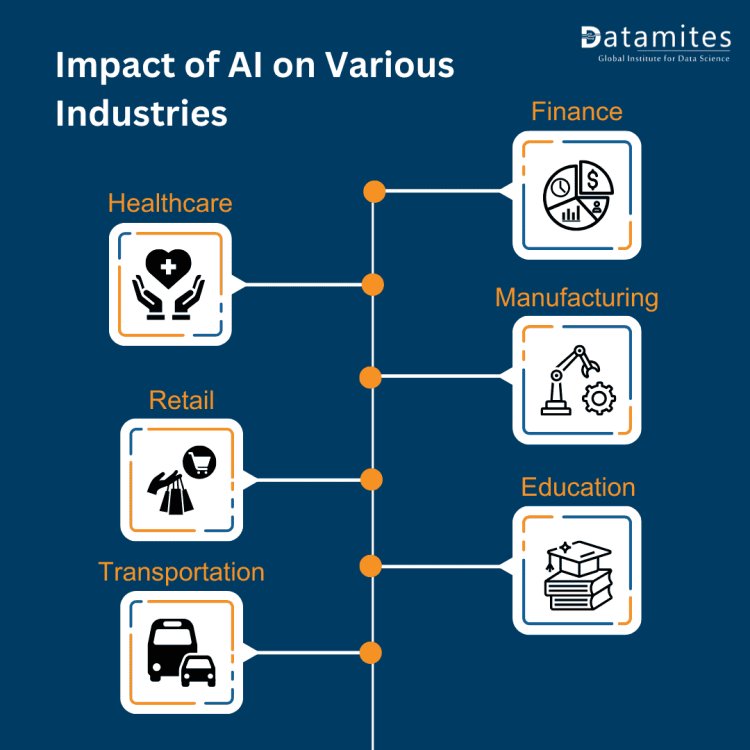
The macroeconomic impact of AI across global industries represents one of the fastest transfers of value and efficiency in human history. Let’s analyze how the world’s most critical sectors are transforming under this technological pressure.
1. Healthcare: Saving Lives Through Predictive Analytics
The medical landscape is experiencing a massive evolution thanks to AI systems.
- Precision Diagnostics: Diagnostic AI models trained on millions of clinical images can identify anomalies in X-rays, MRIs, and CT scans with accuracy rates that rival or surpass senior human radiologists. This allows for early-stage detection of aggressive cancers and microscopic neurological tumors when they are still treatable.
- Accelerated Drug Discovery: Traditionally, bringing a lifesaving drug from a laboratory concept to pharmacy shelves took up to a decade and cost billions of dollars in trial-and-error testing. AI platforms can simulate chemical molecular combinations digitally, predicting how different chemical structures will interact with specific human disease proteins. This compresses the initial discovery phase from years down to mere days.
2. Education: Demolishing the One-Size-Fits-All Model
The industrial-era classroom model assumed that every child learns at the exact same pace. AI is breaking down this outdated system through Adaptive Learning Platforms. These systems serve as digital private tutors. If a student excels at visual geometry but struggles with algebraic equations, the AI automatically restructures the curriculum, providing visual aids and step-by-step interactive breakdowns tailored to that individual student’s cognitive processing style.
3. Finance: High-Frequency Trading and Absolute Fraud Prevention
The global financial ecosystem relies heavily on AI to maintain systemic security and generate wealth.
- Fraud Detection: Every time you swipe your credit card, an AI risk engine evaluates the transaction against your historical location data, spending velocity, and typical purchase categories. If an unusual transaction pattern is spotted, the AI halts the charge instantly to prevent cybertheft.
- Algorithmic Trading: In Wall Street markets, institutional AI programs execute millions of stock trades per microsecond. These models instantly ingest global news articles, financial statements, and geopolitical events, reacting to shifting market sentiments far quicker than any human stockbroker ever could.
4. Manufacturing and Logistics: The Era of Smart Automation
Modern factories are moving away from manual assembly lines toward completely integrated, autonomous smart factories. Heavy industrial robots equipped with advanced optical sensors can handle incredibly dangerous assembly work with zero fatigue. Furthermore, Predictive Maintenance AI tracks the vibration, temperature, and wear-and-tear of manufacturing machinery, predicting exactly when a part will fail so it can be replaced before an expensive factory shutdown occurs.
The Reality of Human-AI Collaboration
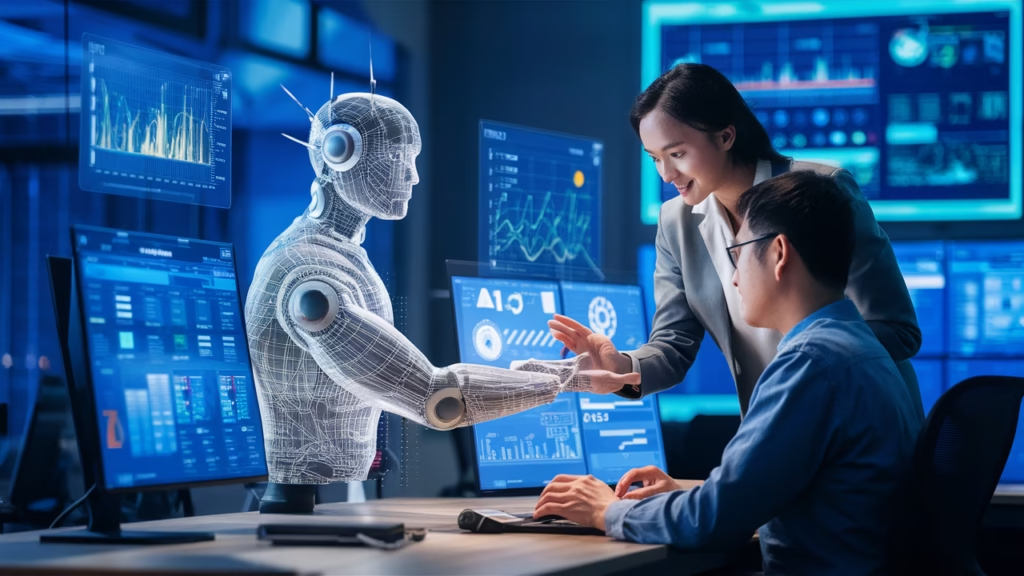
A common source of anxiety in modern culture is the fear that Artificial Intelligence will render human beings completely obsolete, leading to widespread structural unemployment. However, history and economic data show that the future is not a battle of Humans vs. Machines, but rather an era of Human-AI Collaboration.
AI excels exceptionally at processing massive, repetitive data operations, tracking complex historical records, and identifying hidden patterns at hyper-speed. However, AI lacks fundamental human traits: genuine emotional intelligence, deep cultural empathy, authentic creative intuition, abstract thinking, and complex moral decision-making
When you marry the analytical precision of AI with the creative, strategic guidance of a human mind, you unlock maximum productivity. AI acts as an intellectual amplifier. For example, an architect can use generative design AI to automatically generate 500 structurally sound blueprints for a building based on specific wind and weight parameters. The human architect then steps in to select, refine, and emotionally polish the design that best connects with the human experience. The workforce of tomorrow will not necessarily be replaced by AI itself, but rather by professionals who know how to expertly wield AI tools to outpace their competition.
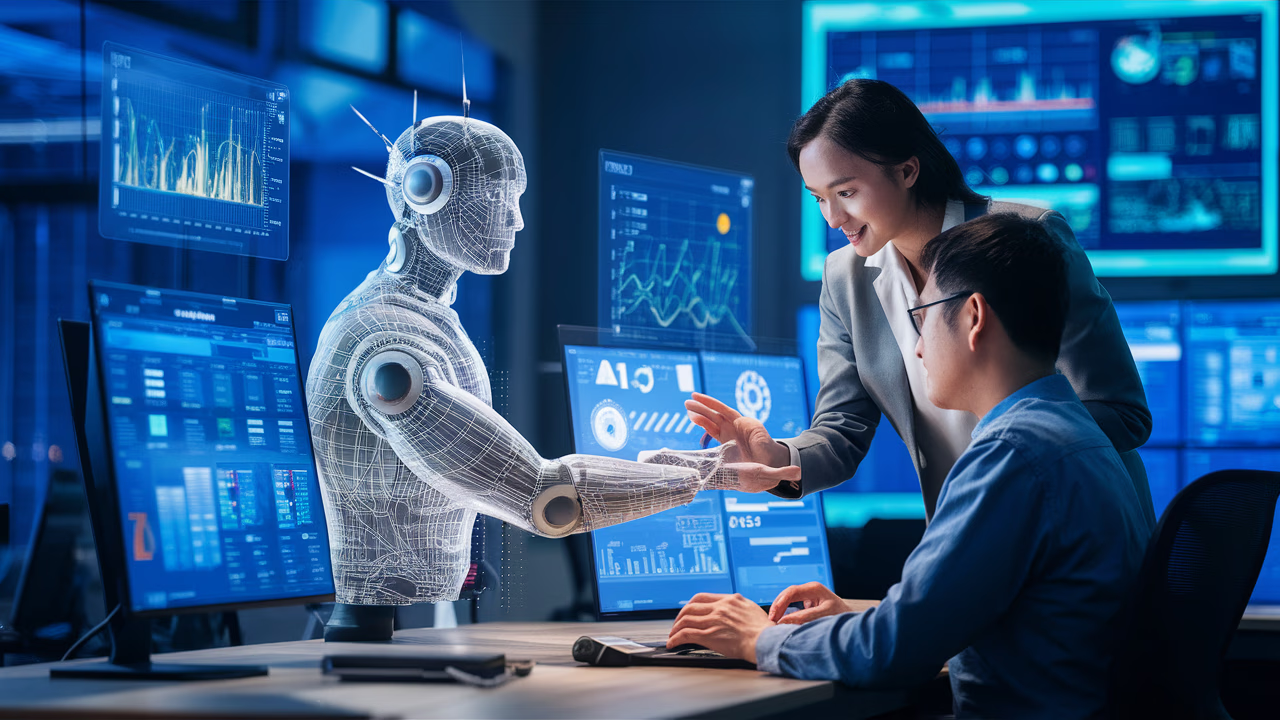
- Text: A human hand touching a robotic hand with a bright glowing AI text symbol in the center.
- Title: Human and AI Collaboration Concept
- Caption: The synthesis of human intuition and artificial computing power working toward a unified future.
- Description: This image showcases an artistic perspective of human-machine symbiosis, featuring a human hand contacting a technological robotic arm to emphasize cooperative growth.
The Dark Side of Innovation – Ethical Dilemmas and Critical Challenges
To write an effective, balanced blog about technology, one must courageously address its structural risks. AI is a tool of immense power, and like any powerful tool, it carries severe consequences if left unregulated or misused.
1. Structural Job Displacement and Economic Realignment
While AI creates new job markets—such as prompt engineering, data labeling, and AI ethics compliance—it simultaneously automates away low-skilled, highly repetitive cognitive and physical labor. Factory workers, simple data entry staff, administrative receptionists, and telemarketers are facing immediate displacement. Governments and corporations must coordinate massive, continuous upskilling initiatives to transition these workers into the new digital economy.
2. The Rise of Deepfakes, Synthesis, and Synthetic Misinformation
Generative AI can now synthesize hyper-realistic human faces, clone specific voices perfectly from short audio clips, and generate simulated video footage. This has opened a dangerous door for cybercriminals and bad geopolitical actors. Deepfakes are increasingly being used to orchestrate complex corporate fraud, distribute highly realistic political misinformation, and ruin personal reputations, making it incredibly difficult to verify what is real online.
3. Data Privacy and Persistent Surveillance Capital
Because AI requires an endless stream of personal data to optimize itself, our digital privacy is under constant threat. Large tech conglomerates continuously monitor your digital footprint, browsing logs, private conversations, and real-time location. The risk of centralized data breaches, unauthorized corporate tracking, and the sale of personal data to third-party ad brokers has escalated dramatically.
4. Algorithmic Bias and Structural Discrimination
AI systems are fundamentally objective, but they learn from human data. If the historical data fed into an AI system contains deep human biases—such as racial, gender, or socio-economic discrimination—the AI will internalize those prejudices as objective truths. This has already caused real-world harm in automated resume screening systems that filter out female candidates, and predictive policing software that unfairly targets specific minority neighborhoods based on flawed historical arrest statistics.
Future Horizon – What Lies Ahead?
As we look toward the horizon of the next decade, technology and AI are poised to unlock capabilities that sound entirely like science fiction today.
The Pursuit of Artificial General Intelligence (AGI)
The AI tools we use today are classified as Narrow AI or Weak AI. They are designed to excel at a single specific task, like playing chess, generating text, or driving a vehicle. The holy grail of computer science research is the realization of Artificial General Intelligence (AGI). AGI would represent an AI system that possesses human-like generalized intelligence across all domains, capable of teaching itself abstract concepts, understanding contextual nuances, and solving totally unfamiliar scientific problems without human guidance.
The Intersection of Quantum Computing and AI
Traditional silicon computer chips are rapidly approaching their physical performance boundaries. The emergence of Quantum Computing—which uses the mind-bending principles of quantum mechanics to process calculations at speeds unimaginable with standard computers—will serve as a rocket booster for AI. A quantum-powered AI could solve complex climate modeling equations, simulate global economic shifts, and map human genetic mutations in real-time, unlocking solutions to problems that would take traditional supercomputers thousands of years to calculate.
Conclusion: Embodying Responsibility in the Age of Intelligent Machines
Artificial Intelligence and modern technology are not temporary trends; they are the permanent foundation upon which the future of human society is being actively constructed. This technology acts as a massive magnifying glass for human intent. If we use it carelessly, it can widen socio-economic inequalities, erode truth through misinformation, and strip away personal privacy. But if we develop it responsibly—guided by robust international ethics, transparent regulatory guardrails, and a human-first philosophy—it can eradicate chronic diseases, solve existential environmental Crises, and usher in a global era of intellectual abundance.
The choice does not belong to the machines. The choice belongs to us—the creators, the builders, the writers, and the users. To thrive in this new world, our primary goal must be to continuously upgrade our own skills, understand these digital tools deeply, and ensure that technology always remains a servant to human well-being.