

Introduction: The Importance of Digital Marketing for Small Businesses
Small Businesses Can Grow with Digital Marketing In today’s digital world, small businesses have more opportunities than ever before to reach customers and grow their brands. Digital marketing has changed the way businesses connect with people by allowing them to promote their products and services through online platforms.
Earlier, small businesses mostly depended on traditional marketing methods like newspapers, posters, and word-of-mouth advertising. However, these methods often required a large budget and had limited reach. Digital marketing provides affordable and effective ways for small businesses to attract new customers, build relationships, and compete with larger companies.
With the help of websites, social media, search engines, email marketing, and online advertising, small businesses can reach their target audience at the right time. Digital marketing also helps business owners understand customer behavior through data and analytics, allowing them to make better decisions.
Today, having an online presence is not just an advantage but a necessity. Customers often search online before purchasing any product or service. A strong digital marketing strategy helps small businesses increase visibility, improve customer trust, and achieve long-term growth.

What is Digital Marketing?
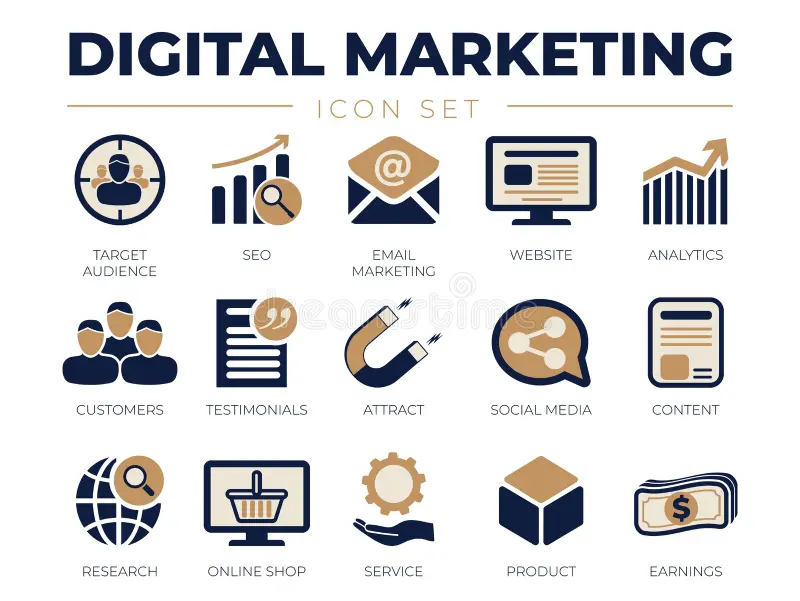
Digital marketing refers to the use of online platforms, digital tools, and internet-based strategies to promote products and services. It helps businesses connect with their target customers through websites, search engines, social media, emails, and online advertisements.
Unlike traditional marketing, digital marketing allows small businesses to reach a wider audience at a lower cost. Businesses can measure their results, understand customer behavior, and improve their marketing strategies using digital tools.
Today, digital marketing has become an essential part of business growth because customers spend a large amount of their time online searching for products, services, and solutions.
Why Small Businesses Need Digital Marketing Today
In today’s competitive market, small businesses need effective ways to reach customers and build their brand identity. Digital marketing provides small businesses with the opportunity to compete with larger companies by using affordable online strategies.
Through digital marketing, businesses can increase their visibility, attract new customers, and maintain relationships with existing customers. Platforms like social media, search engines, and websites help businesses showcase their products and services to the right audience.
Another major advantage of digital marketing is that businesses can track their performance. With the help of analytics, business owners can understand customer preferences, measure campaign success, and make better decisions for future growth.
Building a Strong Online Presence for Small Businesses
A strong online presence is one of the most important factors for small business growth in the digital age. Customers usually search online before choosing a product or service, so businesses need to make sure they are easily visible on digital platforms.
A professional website helps businesses provide important information about their products, services, prices, and contact details. It creates trust among customers and makes the business look more reliable.
Social media platforms also play a major role in building an online presence. Businesses can share updates, product images, customer reviews, and engaging content to connect with their audience.
Another important step is creating a Google Business Profile. It helps local customers find the business easily when they search for related products or services. A complete online presence improves brand awareness and helps businesses attract more customers.
Social Media Marketing Strategies for Small Businesses
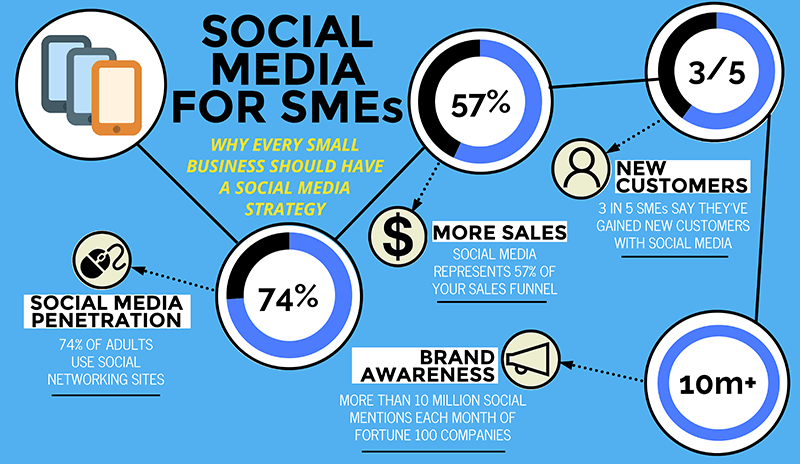
Social media marketing has become one of the most powerful tools for small businesses to connect with customers. Platforms like Instagram, Facebook, LinkedIn, and other social networks allow businesses to promote their products, share valuable content, and build strong relationships with their audience.
Small businesses can use social media to showcase their products, announce offers, share customer reviews, and create brand awareness. Regular posting with attractive images, videos, and informative content helps businesses stay connected with their customers.
A successful social media strategy focuses on understanding the target audience. Businesses should know what their customers like, what problems they face, and what type of content attracts their attention.
Some effective social media marketing practices include:
• Creating engaging posts and videos
• Sharing customer testimonials and reviews
• Using relevant hashtags
• Responding to customer comments and messages
• Posting consistently to maintain audience engagementWith the right social media strategy, small businesses can increase their reach, gain new customers, and create a strong brand identity without spending a huge amount of money.
Search Engine Optimization (SEO) for Small Businesses
What is Digital Marketing?
Digital marketing refers to the use of online platforms, digital tools, and internet-based strategies to promote products and services. It helps businesses connect with their target customers through websites, search engines, social media, emails, and online advertisements.
Unlike traditional marketing, digital marketing allows small businesses to reach a wider audience at a lower cost. Businesses can measure their results, understand customer behavior, and improve their marketing strategies using digital tools.
Today, digital marketing has become an essential part of business growth because customers spend a large amount of their time online searching for products, services, and solutions.
Why Small Businesses Need Digital Marketing Today
In today’s competitive market, small businesses need effective ways to reach customers and build their brand identity. Digital marketing provides small businesses with the opportunity to compete with larger companies by using affordable online strategies.
Through digital marketing, businesses can increase their visibility, attract new customers, and maintain relationships with existing customers. Platforms like social media, search engines, and websites help businesses showcase their products and services to the right audience.
Another major advantage of digital marketing is that businesses can track their performance. With the help of analytics, business owners can understand customer preferences, measure campaign success, and make better decisions for future growth.
Building a Strong Online Presence for Small Businesses
A strong online presence is one of the most important factors for small business growth in the digital age. Customers usually search online before choosing a product or service, so businesses need to make sure they are easily visible on digital platforms.
A professional website helps businesses provide important information about their products, services, prices, and contact details. It creates trust among customers and makes the business look more reliable.
Social media platforms also play a major role in building an online presence. Businesses can share updates, product images, customer reviews, and engaging content to connect with their audience.
Another important step is creating a Google Business Profile. It helps local customers find the business easily when they search for related products or services. A complete online presence improves brand awareness and helps businesses attract more customers.
Social Media Marketing Strategies for Small Businesses
Social media marketing has become one of the most powerful tools for small businesses to connect with customers. Platforms like Instagram, Facebook, LinkedIn, and other social networks allow businesses to promote their products, share valuable content, and build strong relationships with their audience.
Small businesses can use social media to showcase their products, announce offers, share customer reviews, and create brand awareness. Regular posting with attractive images, videos, and informative content helps businesses stay connected with their customers.
A successful social media strategy focuses on understanding the target audience. Businesses should know what their customers like, what problems they face, and what type of content attracts their attention.
Some effective social media marketing practices include:
• Creating engaging posts and videos
• Sharing customer testimonials and reviews
• Using relevant hashtags
• Responding to customer comments and messages
• Posting consistently to maintain audience engagementWith the right social media strategy, small businesses can increase their reach, gain new customers, and create a strong brand identity without spending a huge amount of money.
Search Engine Optimization (SEO) for Small Businesses
Search Engine Optimization (SEO) is an important digital marketing strategy that helps businesses improve their visibility on search engines like Google. When customers search for a product or service online, SEO helps a business website appear higher in search results.
For small businesses, SEO is a cost-effective way to attract potential customers without spending a large amount on advertisements. By using the right keywords, creating useful content, and improving website performance, businesses can increase their online reach.
Some important SEO practices for small businesses include:
• Using relevant keywords in website content
• Creating helpful blog posts and articles
• Optimizing website speed and mobile experience
• Adding accurate business information
• Building quality links from trusted websitesLocal SEO is also very useful for small businesses. It helps local customers discover nearby shops, services, and businesses through online searches. A strong SEO strategy can bring more website visitors, increase customer trust, and support long-term business growth.
Content Marketing: Creating Value for Customers
Content marketing is an important part of digital marketing that focuses on creating and sharing useful information to attract and engage customers. Instead of only promoting products, businesses provide valuable content that helps customers solve problems and make better decisions.
Small businesses can use different types of content such as blog posts, videos, images, guides, and customer stories to connect with their audience. Good content helps build trust and creates a strong relationship between a business and its customers.
A successful content marketing strategy includes understanding customer needs, creating relevant topics, and sharing content regularly. For example, a clothing business can share fashion tips, a restaurant can share recipes, and a service-based business can share helpful guides related to its industry.
Benefits of content marketing for small businesses:
• Increases brand awareness
• Builds customer trust
• Improves website traffic
• Helps with SEO ranking
• Creates long-term customer relationshipsBy consistently providing valuable content, small businesses can create a loyal audience and grow their online presence.
Email Marketing: Building Strong Customer Relationships
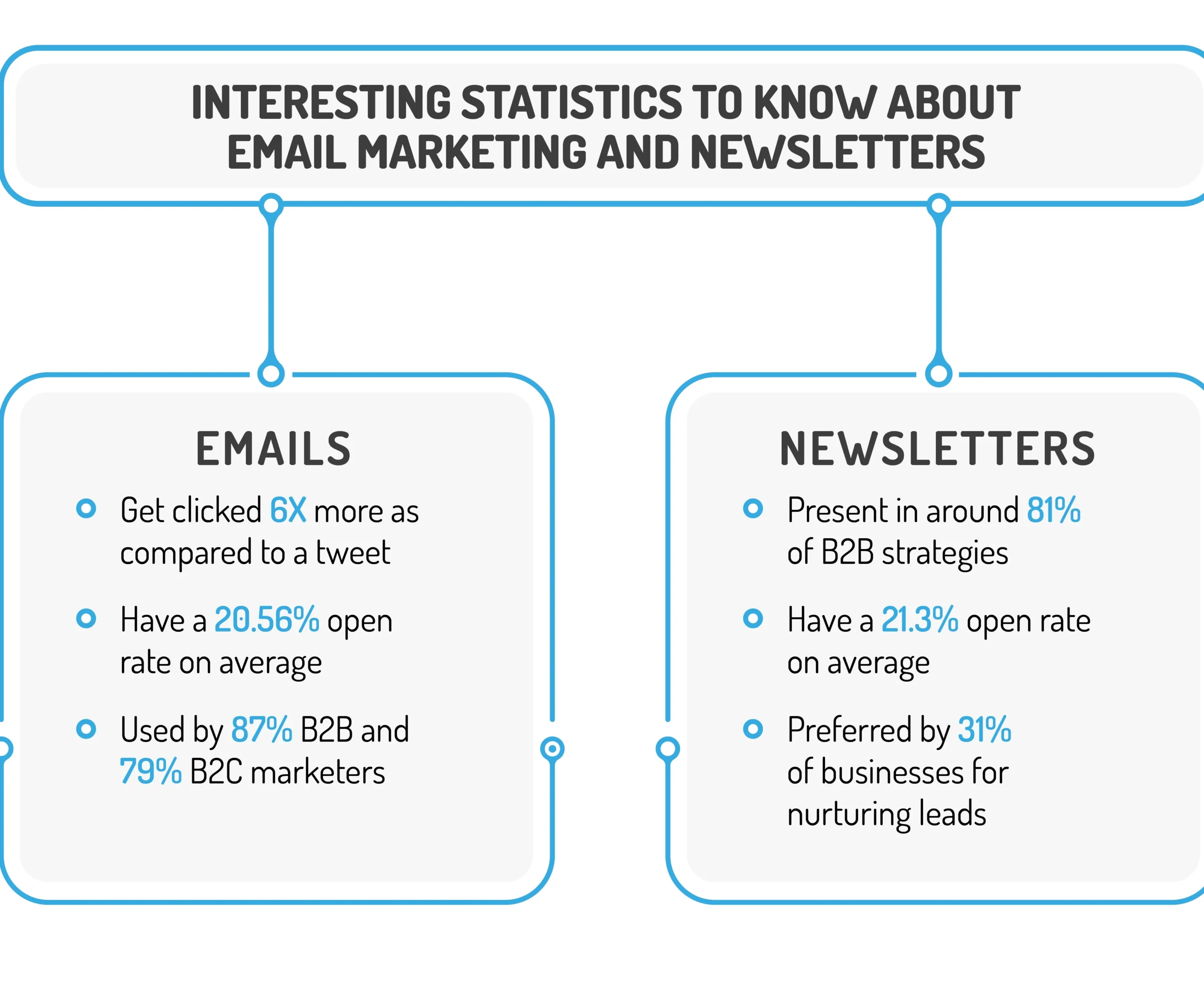
Email marketing is a powerful digital marketing method that helps businesses communicate directly with their customers. It allows small businesses to share updates, offers, new products, and useful information with people who are interested in their services.
Unlike many other marketing methods, email marketing helps businesses create a personal connection with customers. A well-designed email can remind customers about a brand and encourage them to return for future purchases.
Small businesses can use email marketing for:
• Sending product updates and announcements
• Sharing special discounts and offers
• Providing helpful information and tips
• Collecting customer feedback
• Building long-term customer loyaltyTo make email marketing successful, businesses should focus on sending valuable content instead of only promotional messages. Understanding customer interests and creating personalized emails can improve engagement and build stronger relationships.
With the right email marketing strategy, small businesses can maintain regular communication with customers and increase repeat sales.
Paid Advertising: Reaching More Customers Faster
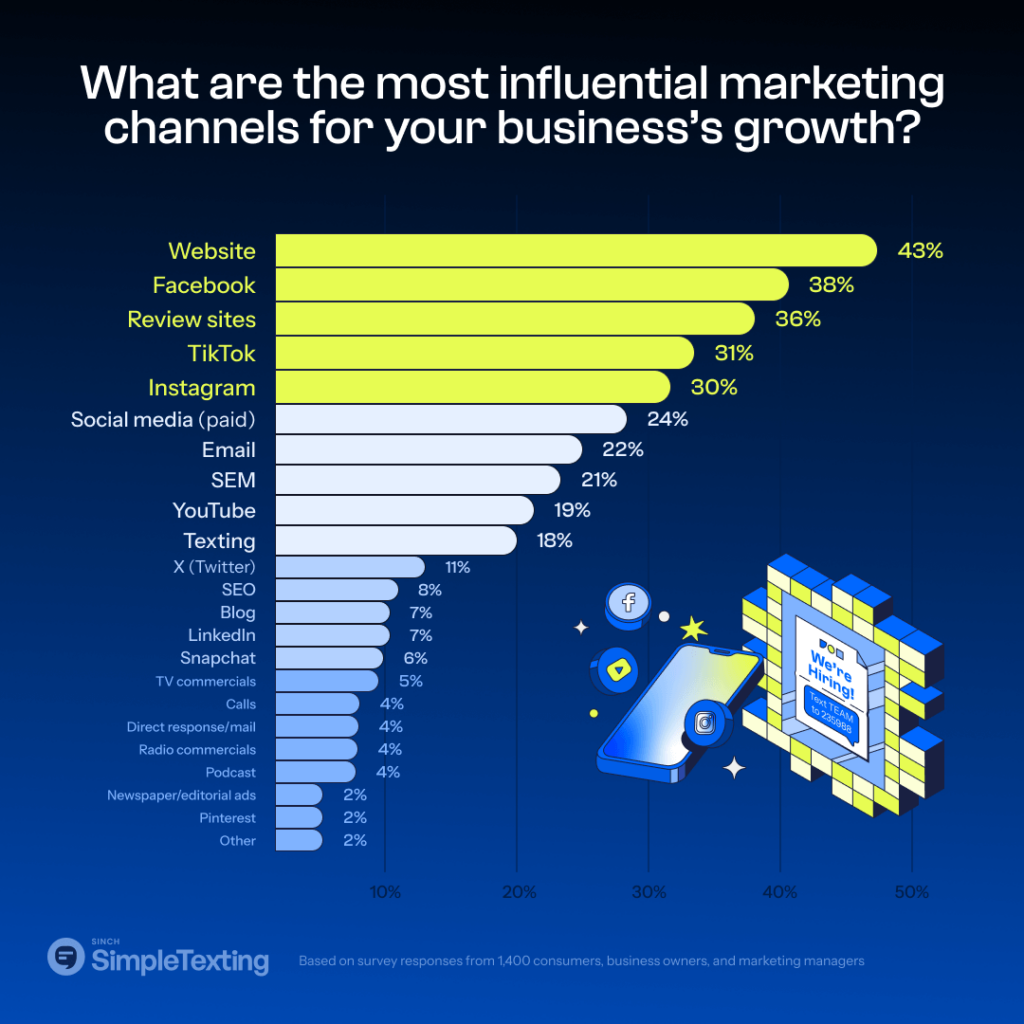
Paid advertising is a digital marketing technique where businesses pay to promote their products and services on online platforms. It helps small businesses reach a specific audience quickly and increase their chances of getting new customers.
Platforms like Google Ads, Facebook Ads, and Instagram Ads allow businesses to show advertisements to people based on their interests, location, and online behavior. This makes advertising more targeted and effective compared to traditional marketing methods.
Small businesses can use paid advertising to:
• Increase website visitors
• Promote new products or services
• Generate leads and sales
• Reach local customers
• Improve brand awarenessOne of the biggest advantages of online advertising is that businesses can control their budget and measure results. By analyzing clicks, customer responses, and conversions, businesses can improve their campaigns and get better results.
However, paid advertising should be planned carefully. Choosing the right audience, creating attractive advertisements, and monitoring performance are important steps for a successful campaign.
Using Data Analytics to Improve Digital Marketing Results
Data analytics plays an important role in helping small businesses understand the performance of their digital marketing efforts. It allows businesses to collect information about customers, track results, and make better decisions.
With the help of analytics tools, businesses can understand which marketing strategies are working and which areas need improvement. For example, they can check how many people visited their website, which products customers are interested in, and how users interact with their online content.
Important metrics that small businesses can monitor include:
• Website traffic
• Customer engagement
• Social media performance
• Advertisement results
• Conversion rates
Data-driven decisions help businesses save money, improve customer experience, and create more effective marketing campaigns. Instead of making decisions based only on assumptions, businesses can use real information to grow their brand.
By using analytics regularly, small businesses can understand their audience better and achieve sustainable growth in the digital marketplace.
Benefits of Digital Marketing for Small Businesses
Digital marketing provides many benefits for small businesses and helps them grow in a competitive market. With the right strategies, businesses can reach more customers, improve their brand image, and increase sales.
Some major benefits of digital marketing are:
1. Cost-Effective Marketing
Digital marketing is more affordable compared to traditional advertising methods. Small businesses can start with a small budget and gradually increase their marketing efforts.
2. Wider Customer Reach
Online platforms allow businesses to connect with customers from different locations. A small business can reach people beyond its local area through websites and social media.
3. Better Customer Engagement
Digital marketing helps businesses communicate directly with customers through comments, messages, emails, and online communities.
4. Measurable Results
Businesses can track their marketing performance using analytics tools and understand what strategies are producing better results.
5. Builds Brand Trust
Regular online presence, valuable content, and positive customer interactions help businesses create trust and credibility.
Digital marketing gives small businesses the opportunity to compete, grow, and build a strong position in the online marketplace.
Common Digital Marketing Challenges for Small Businesses
Although digital marketing offers many opportunities, small businesses may also face some challenges while creating and managing their online strategies. Understanding these challenges helps businesses prepare better plans for success.
1. Limited Budget
Many small businesses have limited funds for marketing. They need to carefully choose the right platforms and strategies to get the best results within their budget.
2. Lack of Digital Knowledge
Some business owners may not have enough knowledge about SEO, social media marketing, or online advertising. Learning digital skills or working with experts can help overcome this challenge.
3. Creating Regular Content
Maintaining an active online presence requires consistent content creation. Businesses need to regularly share useful posts, videos, and updates to keep customers engaged.
4. High Competition
Many businesses are using digital marketing today, making competition stronger. A unique strategy and quality content can help a business stand out.
5. Keeping Up with Trends
Digital marketing changes quickly. Businesses need to stay updated with new tools, platforms, and customer preferences.
By planning properly and continuously improving their strategies, small businesses can overcome these challenges and achieve successful digital growth.
The Future of Digital Marketing for Small Businesses
The future of digital marketing is full of opportunities for small businesses. As technology continues to grow, more customers are using online platforms to discover products, compare services, and make purchasing decisions.
New technologies like artificial intelligence, automation, voice search, and advanced analytics are changing the way businesses connect with customers. Small businesses can use these tools to create better experiences and improve their marketing strategies.
In the coming years, personalized marketing will become more important. Customers prefer businesses that understand their needs and provide relevant solutions. Businesses that use customer data responsibly can create stronger relationships and improve customer satisfaction.
Social media, mobile marketing, and online shopping will continue to play a major role in business growth. Small businesses that adapt to digital changes and invest in online marketing will have better chances of success.
Digital marketing is not just a temporary trend; it is a long-term growth strategy that can help small businesses build a strong brand and compete in the modern marketplace.

Conclusion: Growing Small Businesses Through Digital Marketing
Digital marketing has become one of the most effective ways for small businesses to grow in today’s competitive world. It provides businesses with affordable tools to reach customers, promote their products, and build strong relationships.
From creating a website and using social media to applying SEO, content marketing, email marketing, and analytics, every digital strategy helps businesses improve their online presence.
The biggest advantage of digital marketing is that it gives small businesses the opportunity to compete with larger brands. With the right planning, consistency, and understanding of customers, even a small business can achieve significant growth.
In the future, businesses that adopt digital marketing strategies will have better opportunities to expand, attract new customers, and create a successful brand.
Digital marketing is not only about selling products; it is about connecting with people, building trust, and creating long-term value for customers.

Frequently Asked Questions (FAQs)
1.What is digital marketing for small businesses?
Digital marketing for small businesses means using online platforms like websites, social media, search engines, and email to promote products and services and connect with customers.
2.Why is digital marketing important for small businesses?
Digital marketing helps small businesses reach more customers, increase brand awareness, and compete with larger companies at a lower cost.
3.How can social media help a small business grow?
Social media allows businesses to share content, interact with customers, promote products, and build a strong online community.
4. Is digital marketing expensive for small businesses?
No, digital marketing can be started with a small budget. Businesses can choose affordable strategies like social media marketing, SEO, and content creation.
5.How does SEO help small businesses?
SEO improves a business website’s visibility on search engines and helps customers find the business when searching online.
6.What type of content should small businesses create?
Small businesses can create blogs, videos, product updates, guides, customer stories, and helpful information related to their industry.
7.How can businesses measure digital marketing success?
Businesses can measure success using analytics tools that track website visitors, engagement, sales, and customer responses.
8.Can digital marketing increase sales?
Yes, effective digital marketing strategies can attract potential customers, improve trust, and increase sales opportunities.
9.What is the future of digital marketing?
The future of digital marketing includes AI, automation, personalization, and advanced analytics that will help businesses connect with customers more effectively.
10. How long does it take to see results from digital marketing?
Results depend on the strategy used. Some methods show quick results, while strategies like SEO and content marketing require consistent effort over time.